Table of Contents
- Introduction
- What Is “Mercury” in Collector Terms?
- Red Mercury
- Appearance
- Common Descriptions
- Collector Appeal
- Silver Mercury
- Appearance
- Properties
- Why Collectors Seek It
- White Mercury
- Appearance
- Notable Characteristics
- Collector Interest
- How to Identify High-Purity, Authenticated Samples
- Conclusion
- Call-to-Action: Browse Authentic Mercury Samples
1. Introduction
Mercury has fascinated researchers, hobbyists, and collectors for centuries. Across different cultures and communities, mercury has been referenced in several distinctive forms—most popularly Red Mercury, Silver Mercury, and White Mercury. While the scientific world recognizes elemental mercury primarily in its metallic state, collectors often categorize mercury samples based on their appearance, coloration, historic descriptions, or rarity.
This article breaks down the differences between these three forms, what makes each appealing, and how to ensure you’re acquiring high-purity, authenticated samples. Simple visual diagrams are included for clarity.
2. What Is “Mercury” in Collector Terms?
Collectors often use names such as red, silver, and white mercury to describe samples based on visual characteristics, purity, or transformation stories passed down through historical references. While some classifications are symbolic, others refer to actual coloration differences that occur due to purity variations, oxidation, or unique elemental interactions.
Below are simplified diagrams demonstrating how collectors visualize these types:
Diagram – Collector Color Forms of Mercury.
Silver Mercury: ●●●●● (Shiny Metallic)
Red Mercury: ●●●●● (Dark Red / Maroon-like)
White Mercury: ●●●●● (Light, Silvery-White)
3. Red Mercury
Appearance
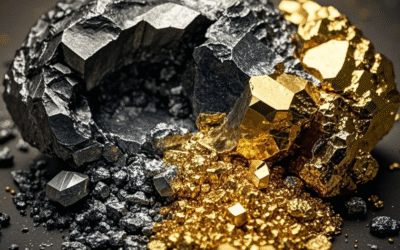
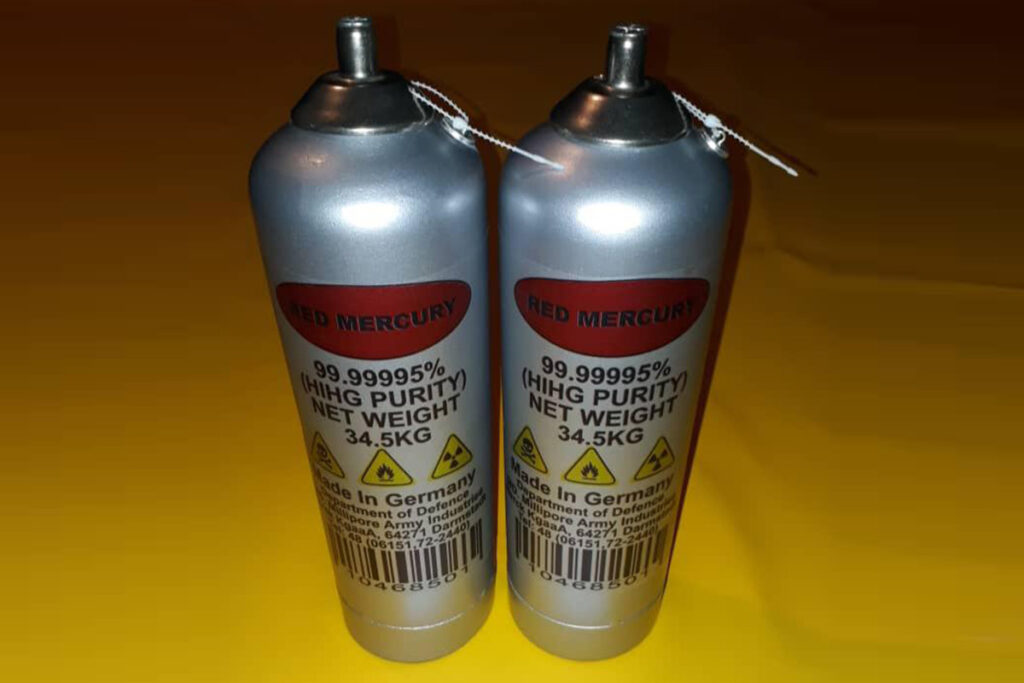
Red Mercury is often described in collector communities as having a deep red or maroon coloration, either in liquid form or as a semi-solid substance. The color may appear due to surface oxidation, impurities, or unique compounds historically associated with red-toned mixtures.
Common Descriptions
Collectors typically associate Red Mercury with:
- A rare collectible substance referenced in several legends.
- A distinct coloration that sets it apart from the more common metallic silver mercury.
- High visual appeal due to its rich, unusual tone.
Collector Appeal
Red Mercury tends to attract buyers and hobbyists who enjoy:
- Rare or historic samples.
- Items with unique coloration or transformation history.
- Substances that spark curiosity and conversation.
For serious collectors, verifying authenticity is essential—color alone is not proof of purity.
4. Silver Mercury
Appearance
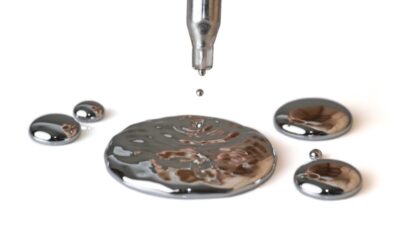
Silver Mercury refers to the classic metallic mercury most people recognize—bright, shiny, and fluid. It reflects light extremely well, giving it a mirror-like silver appearance.
Properties
Collectors appreciate Silver Mercury due to:
- Its fluid, metallic luster
- High density and smooth movement
- Its reputation as the “true” or “purest-looking” form of mercury
Why Collectors Seek It
Silver Mercury has the highest collector demand, primarily because:
- It is visually iconic
- It is often associated with high purity
- It fits seamlessly into scientific collections, element displays, and metallic specimen exhibits
5. White Mercury
Appearance
White Mercury is described by collectors as having a paler, silvery-white tone, often appearing lighter than typical metallic mercury.
Some collectors report seeing a subtle milky shimmer, which can be due to:
- Extremely fine surface textures
- Light reflection variations
- The presence of micro-impurities
Notable Characteristics
Collectors value White Mercury for:
- Its rare, lighter tint
- The aesthetic uniqueness compared to standard silver mercury
- Its desirability as a specialty or high-grade display sample
Collector Interest
White Mercury often appeals to collectors seeking:
- Unique visual variations
- Rare or limited samples
- High-purity material that stands out from common metallic mercury
6. How to Identify High-Purity, Authenticated Samples
With collector interest growing, verifying that samples are genuine and high purity is more important than ever. Always look for suppliers that provide:
- Clear documentation
- Verified sourcing
- Purity assurances
- Secure, safe packaging
- Transparent descriptions of appearance and origin
Authenticated samples often include:
- Certification
- Batch information
- Purity labeling
This is why working with reputable sellers is crucial.
7. Conclusion
Understanding the differences between Red, Silver, and White Mercury helps collectors make informed decisions and appreciate the unique characteristics of each form. Whether you value the iconic beauty of Silver Mercury, the rarity of White Mercury, or the mysterious allure of Red Mercury, knowing what differentiates these types ensures you are choosing wisely and building a premium collection.
8. Call-to-Action
👉 Browse authentic, high-purity mercury samples here.
Find verified Red, Silver, and White mercury specimens backed by proper authentication and quality assurance.