A Practical Guide for Collectors of Sealed Scientific Specimens
Table of Contents
- Introduction
- Understanding Mercury: Red, Silver, and White Forms
- Safety First: What You Must Know Before Displaying Any Mercury
- Step-by-Step Guide to Safe Mercury Display
- Step 1: Choose Properly Sealed Containers
- Step 2: Stabilize the Display Environment
- Step 3: Add Safe, Non-Heat Lighting
- Step 4: Secure Placement & Labeling
- Step 5: Long-Term Monitoring & Maintenance
- Environmental Considerations
- Final Thoughts
- Call to Action
1. Introduction
Mercury has fascinated collectors for centuries due to its unique characteristics, striking visual appearance, and scientific significance. Whether you are drawn to classic silver liquid mercury, the historically referenced red mercury, or the rare and often myth-misidentified white mercury, one thing is crucial: safe display practices.
This guide walks you through responsible methods for showcasing sealed scientific samples while minimizing environmental and household risk.
2. Understanding Mercury: Red, Silver, and White Forms
Before displaying any mercury-related specimen, it’s essential to understand what you are working with:
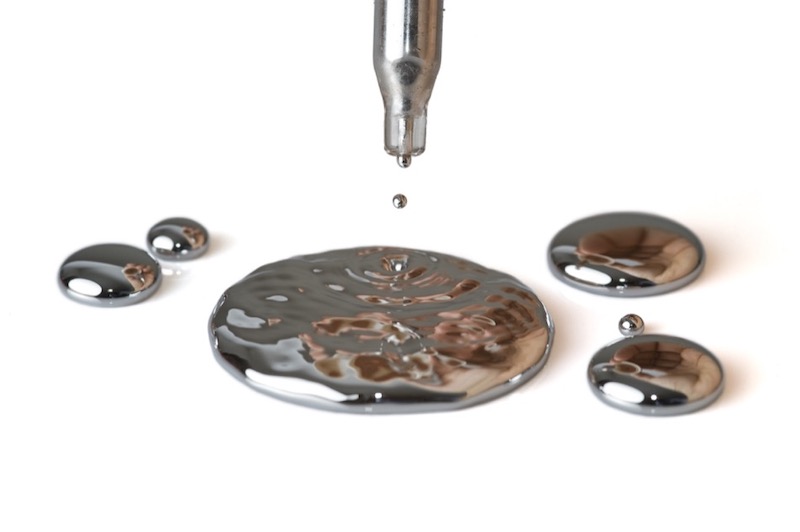
Silver Mercury (Elemental Mercury)
This is the familiar liquid metal—dense, reflective, and toxic when mishandled or exposed.
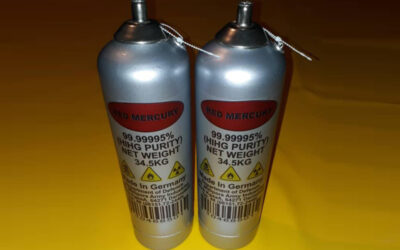
Red Mercury
Often used as a label for non-toxic mercury compounds, artistic pigments, or mythic references. Authentic “red mercury” as described in folklore does not exist as a commercial elemental material. Today, reputable sellers offer safe, inert red compounds sealed for collectors.
White Mercury
A term historically used for certain mercury salts or alloys. True mercury salts are hazardous; however, display-ready replicas or sealed mineral analogs are available legally and safely.
3. Safety First: What You Must Know Before Displaying Any Mercury
Even small amounts of liquid mercury are regulated because vapors are dangerous. Therefore:
- Only use professionally sealed, laboratory-grade containers.
- Never attempt to open, transfer, or handle mercury yourself.
- Avoid displays in warm rooms, near sunlight, or near children or pets.
- Prioritize solid compounds or sealed replicas if you want visual appeal without risk.
4. Step-by-Step Guide to Safe Mercury Display
Step 1: Choose Properly Sealed Containers
Your display should only include:
- Heat-resistant glass vials
- Epoxy-sealed caps
- Secondary acrylic casing or clear block embedment
Look for double-sealed or resin-encapsulated samples. This prevents vapor escape even if the main vial is damaged.
Step 2: Stabilize the Display Environment
To maintain safety:
- Keep samples at stable room temperatures (18–25°C).
- Avoid direct sunlight, heaters, or lamps that produce heat.
- Use a glass display box or protective dome to add another safety layer.
Step 3: Add Safe, Non-Heat Lighting
Illumination should highlight the sample while keeping temperatures low.
Recommended options:
- LED puck lights
- Indirect RGB strip lighting
- Battery-powered micro LEDs
Avoid halogen or incandescent bulbs as they emit heat that may stress sealed containers.
Step 4: Secure Placement & Labeling
To prevent accidental drops:
- Place samples on a low, stable shelf or in a closed cabinet.
- Use non-slip acrylic bases to secure vials upright.
- Clearly label specimens for educational value and safe identification.
Step 5: Long-Term Monitoring & Maintenance
Check your collection monthly for:
- Cracks, cloudiness, or seal wear
- Condensation within secondary display case
- Odd odors (a warning sign—immediately isolate and call a professional)
If a container ever appears compromised, do not open it. Contact hazardous materials professionals.
5. Environmental Considerations
Mercury is an environmental contaminant that must never be released into drains, trash, soil, or air. Collectors should always choose:
- Legal,
- Verified,
- Sealed,
- Environmentally responsible scientific specimens or replicas.
If you ever decide to stop collecting, ensure materials are disposed of through certified waste facilities.
6. Final Thoughts
Displaying mercury responsibly is absolutely possible—as long as every sample is professionally sealed, legally sourced, and handled with respect for safety protocols. With the right setup, you can enjoy the beauty and scientific intrigue of red, silver, or white mercury representations without compromising health or the environment.
7. Call to Action
Ready to begin or upgrade your collection with sealed, display-ready scientific samples and safe collectible alternatives?
➡️ Buy collector-ready, professionally sealed mercury display specimens from our online store.